

Designing a Comfortable Space for Remote Work
Remote work has become an important part of daily life for many people, making home office design more relevant than ever. Creating a dedicated workspace helps separate professional responsibilities from personal activities. A well planned environment can improve focus, organization, and overall productivity throughout the workday. The design does not need to be complicated to be effective. Even small adjustments can make a meaningful difference. Comfort and functionality should guide every decision. A productive workspace supports both efficiency and well being. Thoughtful planning helps create a positive work environment. Consistency becomes easier in a space designed for work. A comfortable office contributes to long term success.
Location is one of the most important factors when designing a home workspace. Choosing a quiet area with minimal distractions helps improve concentration and supports better work habits. Natural light can also enhance comfort and create a more pleasant atmosphere throughout the day. If possible, the workspace should be separate from high traffic areas within the home. This helps maintain clear boundaries between work and personal life. A dedicated location encourages consistency and routine. Good positioning can improve both focus and comfort. Practical placement supports better productivity. The right environment helps reduce interruptions. Careful planning improves daily work experiences.
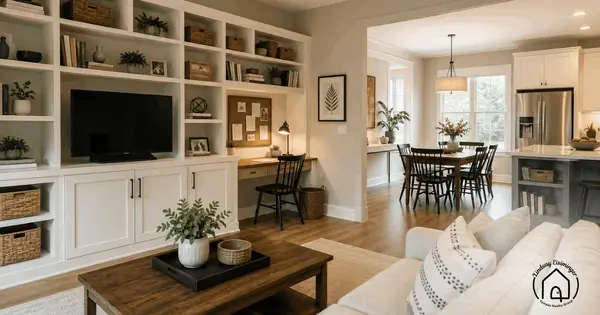
Furniture and equipment also play important roles in creating an effective home office. A supportive chair and appropriately sized desk help maintain comfort during long work sessions. Computer screens should be positioned at a comfortable viewing height to reduce strain. Adequate lighting is equally important for visibility and focus. Organized storage can help keep documents and supplies accessible while reducing clutter. Practical furniture choices support both comfort and efficiency. Clean workspaces often improve concentration. Functional layouts make daily tasks easier to manage. Proper equipment supports long term productivity. Thoughtful design creates a more comfortable work experience.
A successful home office should also reflect personal needs and work habits. Some people prefer minimal setups while others benefit from additional storage and organizational tools. Small personal touches can make the space feel more welcoming without becoming distracting. Regular maintenance and organization help preserve productivity over time. The goal is to create an environment that supports both focus and comfort. Flexible designs can adapt as needs change. A well designed workspace encourages consistent performance. Thoughtful planning contributes to long term success. Comfortable environments support better work habits. Gratitude grows when a workspace supports daily goals effectively.
Categories
Recent Posts