

Do You Need a Bigger House or Better Use of Space?
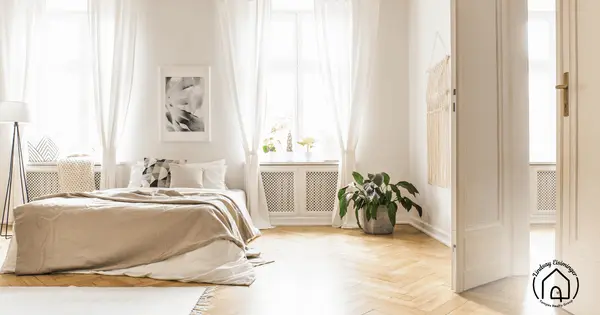
Feeling cramped at home does not always mean you have run out of square footage. Sometimes the problem is the amount of space available, but in other cases, it is how that space is being used. A spare bedroom may have become permanent storage, a dining room may sit empty most of the week, or oversized furniture may make a perfectly functional living room feel crowded. Before deciding that moving to a larger property is the answer, it helps to identify what is actually creating the frustration. Your household may genuinely need another bedroom, bathroom, workspace, or larger outdoor area. On the other hand, reorganizing or repurposing a few rooms could solve much of the problem without a move. Looking closely at your routines can help separate a temporary inconvenience from a long-term space issue. That distinction matters because moving and improving your current home are very different commitments. A thoughtful evaluation can help you choose the option that makes the most sense for the way you actually live.
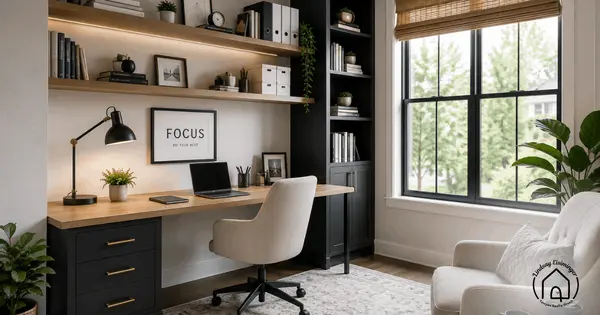
Before searching for larger homes, make a list of the specific situations that make your current property feel too small. Maybe two people work from home and compete for the same quiet room, or perhaps children are sharing a bedroom that no longer works well for them. Storage may be the biggest concern if closets, cabinets, and the garage are consistently overflowing. Some homeowners discover that they have enough square footage but lack clearly defined spaces for everyday activities. A formal dining room that is rarely used, for example, might work better as an office, homework area, or flexible family space. A large guest room could serve more than one purpose if overnight visitors are uncommon. Furniture placement can also affect how spacious a room feels, especially when oversized pieces interrupt natural walking paths. Identifying the exact problem makes it easier to determine whether reorganizing can solve it. If the same issues remain even after considering realistic changes, additional space may be a genuine need rather than a preference.
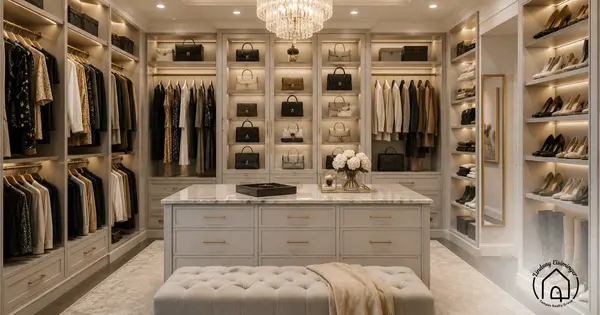
Once you know what is not working, consider how your existing rooms could serve you better. Decluttering is a useful starting point because it reveals how much usable space is being occupied by belongings that are rarely needed. Built-in shelving, closet systems, wall storage, and furniture with hidden storage can make smaller spaces work harder without adding square footage. Rooms can also take on multiple functions when their layouts are planned carefully. A guest bedroom can include a compact desk, while part of a finished basement might become an exercise or hobby area. Even changing the scale of your furniture can improve circulation and make a room noticeably more comfortable. Larger projects, such as finishing unused space or changing a floor plan, require more careful consideration because costs can add up quickly. Think about whether the improvement solves a long-term need and whether you actually want to remain in the property. The goal is not to force a home to work when it clearly no longer fits, but to understand its possibilities before assuming a move is necessary.
There are situations where better organization cannot solve the underlying problem. A growing household may need additional bedrooms or bathrooms that the current property simply cannot provide. Accessibility needs, multigenerational living, permanent work-from-home arrangements, or major lifestyle changes can also alter what you need from a home. Location may be another factor if your current commute, neighborhood, or proximity to family no longer works for your daily life. At that point, the decision is about more than square footage. Before moving, compare the financial and practical costs of both options, including potential renovations, moving expenses, housing payments, maintenance, and the time involved. A larger home may also mean more rooms to furnish, clean, heat, cool, and maintain. Consider what additional space would actually improve your life rather than simply choosing a higher square-footage number. A clear list of needs and preferences can make a future home search much more focused. If a larger property solves several lasting problems that your current home cannot reasonably address, moving may be the more practical choice.
The feeling that you need a bigger house is worth examining before making a major decision. Start by identifying exactly where your current home falls short and how those problems affect everyday routines. Better storage, different furniture, decluttering, or repurposing rooms may create the breathing room you have been missing. If those changes still cannot provide the bedrooms, bathrooms, privacy, accessibility, or functionality your household needs, a larger home may make more sense. There is no universal amount of space that every household should have. A well-planned smaller home can work better than a larger property with a layout that does not fit your lifestyle. Focus on function first and square footage second. That approach can help you avoid moving simply because your current home feels disorganized while also recognizing when you have genuinely outgrown it. If you are considering a move, a knowledgeable local real estate professional can help you compare your current home's possibilities with the options available in your area.
Categories
Recent Posts