

How to Refresh Your Home Without Buying New Furniture
Sometimes a room starts to feel a little tired, even when there is nothing particularly wrong with it. The sofa is comfortable, the dining table still works perfectly, and the furniture you spent years collecting continues to serve its purpose, but the overall space no longer feels as inviting as it once did. It is easy to assume that refreshing your home means shopping for new pieces, replacing older furniture, or investing in an expensive decorating project. In reality, some of the most noticeable changes come from working with what you already have and looking at familiar spaces from a different perspective. Rearranging furniture, improving lighting, changing decorative accents, and making better use of existing rooms can give your home a different atmosphere without requiring major purchases. These improvements can also help you recognize which pieces you genuinely enjoy and which arrangements no longer support your daily routine. Instead of starting with a shopping list, consider how each room functions, what feels uncomfortable, and which details could benefit from a little attention. Learning how to refresh your home without buying new furniture allows you to make thoughtful changes while keeping your budget focused on things that matter more to your household. With a little creativity and a willingness to experiment, familiar rooms can begin to feel comfortable and interesting again.
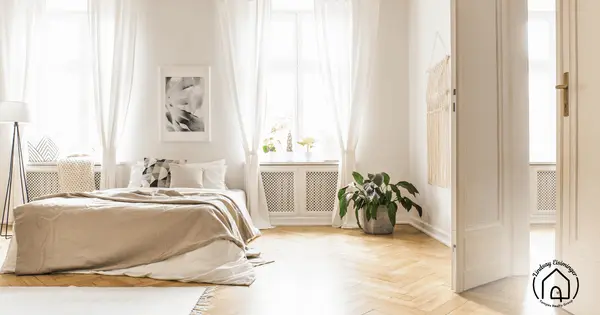
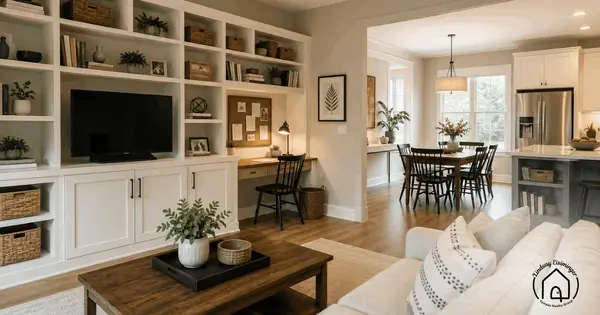
One of the easiest ways to change a room is to reconsider where everything belongs, especially if the furniture has remained in the same arrangement for several years. A sofa that currently faces the television might work better positioned toward a window or arranged with nearby chairs to create a comfortable conversation area. Moving a side table, changing the direction of an area rug, or repositioning a bookshelf can also alter how the room feels without introducing anything new. Before moving heavier pieces, take measurements and consider where people naturally walk so the updated layout does not create awkward pathways or block doors. Pay attention to natural light because furniture placed directly in front of windows can make an otherwise bright room feel darker and more enclosed. In smaller living areas, removing one unnecessary piece may improve the layout more than adding another storage cabinet or decorative chair. You might also discover that furniture from one room works better somewhere else, such as moving an unused bedroom chair into a reading corner or using a small console table in the entryway. Not every piece needs to remain in the room where it was originally purchased, particularly when your household's needs have changed over time. Experimenting with different arrangements gives you an opportunity to understand what works before committing to any permanent decorating decisions.
Once the furniture arrangement feels more functional, focus on the smaller details that influence the room's overall appearance. Changing pillow covers, rearranging artwork, using a different throw blanket, or moving decorative objects between rooms can introduce variety without requiring a completely new collection of accessories. If you already own several pieces of artwork, consider creating a different arrangement or moving a favorite piece to a wall where it receives more attention. Lighting deserves particular consideration because a room can feel dramatically different depending on whether it relies on one bright overhead fixture or several softer light sources. Table lamps and floor lamps you already own can be moved to improve darker corners, highlight useful spaces, or create a more comfortable atmosphere in the evening. Natural light also makes a difference, so try adjusting window coverings, removing objects that block windows, and cleaning glass surfaces before assuming the room needs brighter paint. If painting is within your budget, updating one wall or refreshing worn trim may be enough to make existing furniture feel more coordinated with the surrounding space. Plants, books, ceramics, baskets, and other belongings can also become decorative features when displayed thoughtfully instead of being scattered across every available surface. The goal is to create a balanced appearance that highlights the pieces you enjoy rather than filling the room with more things.
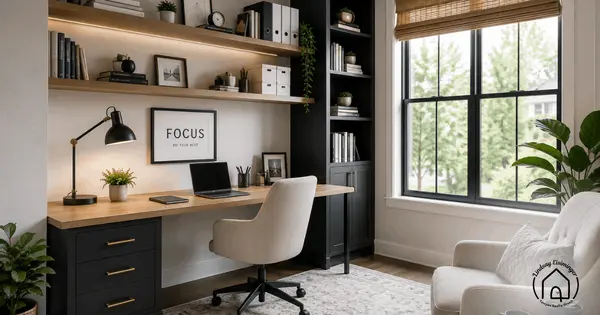
A refreshed home should not only look different but also make everyday activities more comfortable and convenient. Consider the places where clutter regularly collects, such as kitchen counters, entryway tables, bedside surfaces, or chairs that have become temporary storage for clothing. Finding practical places for these belongings can make a room feel more open while reducing the amount of time spent searching for things. Existing baskets, containers, shelves, and drawers can often be reorganized to accommodate everyday essentials without requiring additional furniture. It also helps to reconsider how each room is used, especially if your routine has changed since you originally arranged the space. A formal dining area that rarely hosts meals might accommodate a small work area, while an unused corner of the bedroom could become a comfortable place to read. Before purchasing anything, identify which changes would genuinely improve your routine and which ones would simply make the room look different for a short time. Giving your home a fresh appearance does not require removing every personal item or following a specific decorating trend. The most satisfying updates are often the ones that make your existing belongings easier to use while creating a home that feels more comfortable for the people living there.
Refreshing your home does not have to begin with replacing furniture or planning an expensive renovation. Sometimes the best improvements come from recognizing the potential of what you already own and finding ways to make familiar spaces work differently. Rearranging furniture, improving lighting, changing decorative arrangements, and organizing everyday belongings can all contribute to a noticeable difference in how a room looks and feels. These changes also give you an opportunity to understand your preferences before spending money on items that may not solve the original problem. Start with one room, identify what feels uncomfortable or outdated, and experiment with simple adjustments before deciding whether anything needs to be replaced. A home should reflect the people who live there, which means its design can continue changing as routines, interests, and priorities evolve. Keeping furniture that remains useful also allows you to preserve pieces with personal meaning while reducing unnecessary purchases. Thoughtful decorating is less about having everything new and more about creating spaces that support your everyday life. If you are considering updates before selling your home, a knowledgeable local real estate professional can help you determine which improvements may be worth prioritizing.
Categories
Recent Posts